
Dry Skin vs Dehydrated Skin: Know the Difference
Many people believe that dry skin and dehydrated skin are the same, but they are actually two different skincare concerns. Understanding the difference is important because each condition requires a different skincare approach. Using the wrong products may leave your skin feeling uncomfortable or fail to solve the problem.
In this guide, we’ll explain the difference between dry skin and dehydrated skin, their causes, symptoms, and the best skincare routine to restore healthy- skincare looking skin.

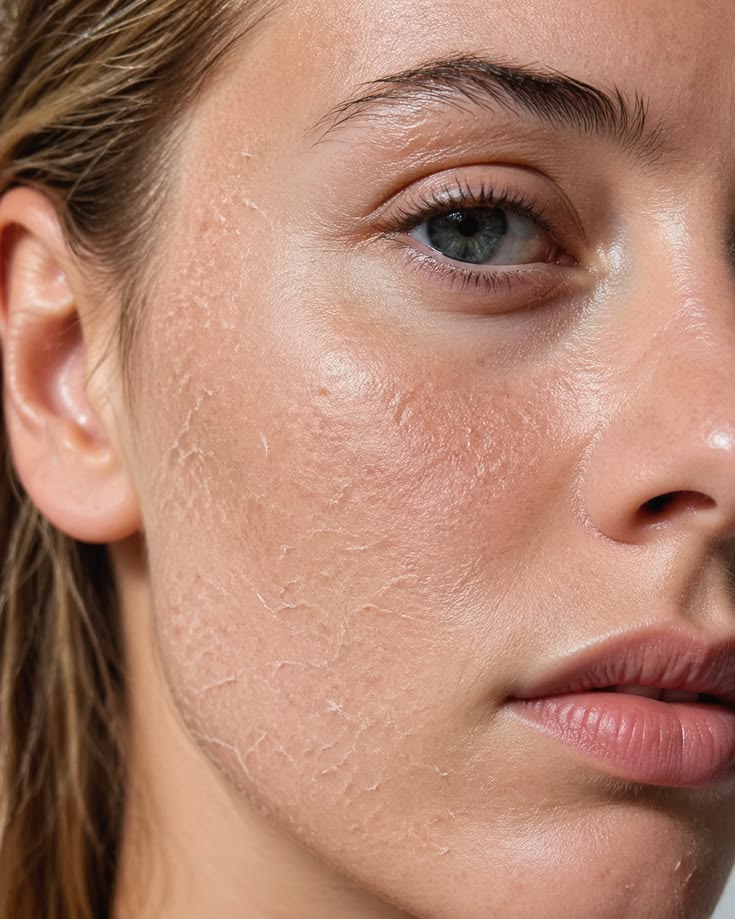
Dry skin is a **skin type**. It occurs when your skin produces less natural oil (sebum) than it needs. Without enough oil, the skin barrier becomes weak, making your skin feel rough, flaky, and tight.
People with dry skin usually experience this condition throughout the year, although it can become worse during winter or in dry climates.
### Signs of Dry Skin
* Rough or flaky skin
* White patches or peeling
* Tightness after washing your face
* Itchy skin
* Fine lines caused by lack of moisture
If you have these symptoms regularly, you may have naturally dry skin.
What Is Dehydrated Skin?
Unlike dry skin, dehydrated skin is a **skin condition**, not a skin type. It means your skin lacks water rather than oil. Even people with oily or combination skin can experience dehydration.
Environmental factors, excessive sun exposure, air conditioning, lack of water intake, and harsh skincare products can all lead to dehydrated skin.
### Signs of Dehydrated Skin
* Skin feels tight but also looks oily
* Dull complexion
* Fine dehydration lines
* Increased skin sensitivity
* Skin feels uncomfortable during the day
