

Uncategorized
Dry Skin vs Dehydrated Skin: Know the Difference
Dry Skin vs Dehydrated Skin: Know the Difference Many people believe that dry skin and dehydrated skin are the same, but they are actually two different skincare concerns. Understanding the difference is important because each condition requires a different skincare approach. Using the wrong products may leave your skin feeling uncomfortable or fail to solve the problem. In this guide, we’ll explain the difference between dry skin and dehydrated skin, their causes, symptoms, and the best skincare routine to restore healthy- skincare looking skin. Dry skin is a **skin type**. It occurs when your skin produces less natural oil (sebum) than it needs. Without enough oil, the skin barrier becomes weak, making your skin feel rough, flaky, and tight. People with dry skin usually experience this condition throughout the year, although it can become worse during winter or in dry climates. ### Signs of Dry Skin * Rough or flaky skin* White patches or peeling* Tightness after washing your face* Itchy skin* Fine lines caused by lack of moisture If you have these symptoms regularly, you may have naturally dry skin. What Is Dehydrated Skin? Unlike dry skin, dehydrated skin is a **skin condition**, not a skin type. It means your skin lacks water rather than oil. Even people with oily or combination skin can experience dehydration. Environmental factors, excessive sun exposure, air conditioning, lack of water intake, and harsh skincare products can all lead to dehydrated skin. ### Signs of Dehydrated Skin * Skin feels tight but also looks oily* Dull complexion* Fine dehydration lines* Increased skin sensitivity* Skin feels uncomfortable during the day
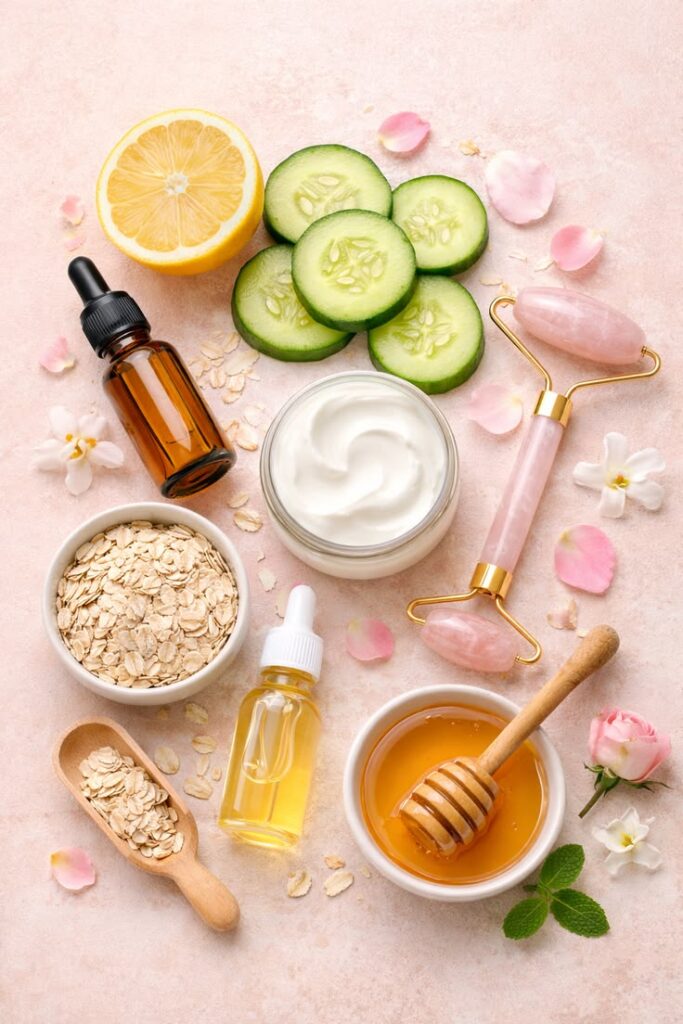
Homemade Skincare Routine: A Simple Guide to Healthy, Naturally Glowing Skin
Taking care of your skin doesn’t always require a shelf full of expensive products. Many natural ingredients found in your kitchen can complement a healthy skincare routine by helping cleanse, hydrate, and soothe the skin. While homemade skincare isn’t a replacement for scientifically formulated skincare products, it can be a gentle addition to your routine when used correctly. The key to a successful homemade skincare routine is choosing ingredients that suit your skin type, keeping your routine simple, and always doing a patch test before trying anything new. Let’s explore an easy homemade skincare routine that can help your skin look fresh, healthy, and naturally radiant. Step 1: Start with a Gentle Cleanse Every skincare routine begins with cleansing. Your skin collects oil, dirt, sweat, and environmental pollutants throughout the day, so it’s important to wash your face using a gentle cleanser that matches your skin type. While some people prefer homemade cleansers, a mild facial cleanser is usually the safest option for daily use. After cleansing, gently pat your face dry with a soft towel instead of rubbing your skin. Clean skin allows the next steps in your routine to work more effectively Step 2: Refresh Your Skin with Rose Water Rose water is a popular natural skincare ingredient known for its refreshing feel. It can help leave the skin feeling fresh and hydrated after cleansing. Simply spray a small amount of pure rose water onto your face or apply it with a cotton pad. Allow it to absorb naturally before moving on to the next step. Rose water is suitable for most skin types and works well as part of both morning and evening skincare routines Step 3: Use Aloe Vera Gel for Hydration Aloe vera has long been used in skincare because of its soothing and hydrating properties. It is especially popular for calming skin after sun exposure or when the skin feels dry. Apply a thin layer of fresh aloe vera gel or a high-quality pure aloe vera gel to clean skin. Leave it on for 10–15 minutes or use a small amount as a lightweight moisturizer if it suits your skin. Always use clean aloe vera gel and discontinue use if irritation occurs. Step 4: Apply a Honey Face Mask (1–2 Times a Week) Honey is a natural humectant, meaning it helps attract and retain moisture on the skin. It can leave the skin feeling soft and smooth. Take one teaspoon of pure honey and spread a thin layer over clean skin. Leave it on for about 10–15 minutes before rinsing with lukewarm water. Since honey is rich and sticky, using it once or twice a week is usually enough as part of a homemade skincare routine. Step 5: Gently Exfoliate Once a Week Exfoliation helps remove dead skin cells and can leave your skin looking brighter. Instead of harsh scrubs, choose gentle options like finely ground oatmeal mixed with a little yogurt or water to create a soft paste. Massage it onto your skin using light circular motions for about one minute before rinsing. Avoid exfoliating more than once or twice a week, as over-exfoliation can damage the skin barrier. Step 6: Moisturize Your Skin Hydration is essential for every skin type. After using homemade ingredients, always finish your routine with a moisturizer suitable for your skin. A good moisturizer helps lock in hydration and supports your skin’s natural barrier. Even oily skin benefits from daily moisturizing. Step 7: Never Forget Sunscreen If you’re following your homemade skincare routine in the morning, sunscreen is the final and most important step. Choose a broad-spectrum sunscreen with SPF 30 or higher and apply it generously before going outdoors. Natural ingredients alone cannot protect your skin from harmful UV rays, so sunscreen should always be part of your daily routine. Ingredients to Use Carefully Although natural ingredients are popular, not every kitchen ingredient is suitable for facial skincare. It’s generally best to avoid applying the following directly to your face: Lemon juice Toothpaste Baking soda Undiluted apple cider vinegar Excessively coarse sugar or salt scrubs These ingredients may cause irritation or disrupt the skin’s natural protective barrier, especially for sensitive skin. Healthy Habits for Naturally Beautiful Skin Homemade skincare works best when paired with healthy daily habits. Remember to: Drink plenty of water throughout the day. Eat a balanced diet rich in fruits and vegetables. Get enough sleep each night. Exercise regularly. Manage stress whenever possible. Wash pillowcases and towels regularly. Avoid touching your face with unclean hands. Healthy skin reflects consistent care both inside and out. Weekly Homemade Face Masks You can add one of these simple homemade masks to your routine once a week. Oatmeal and Honey Mask Mix one tablespoon of finely ground oatmeal with one teaspoon of honey to create a smooth paste. Apply it for 10 minutes before rinsing. This mask can leave the skin feeling soft and comfortable. Yogurt and Oatmeal Mask Combine plain yogurt with a small amount of oatmeal to create a gentle face mask. Apply for 10–15 minutes and rinse with cool water. This mask offers light exfoliation while leaving the skin feeling refreshed. Cucumber Mask Blend fresh cucumber into a smooth paste and apply it to your face for about 15 minutes. Cucumber provides a cool, refreshing feeling that many people enjoy, especially during warm weather. Frequently Asked Questions (FAQs) 1. Is a homemade skincare routine suitable for all skin types? Yes, but it’s important to choose ingredients based on your skin type. Always perform a patch test before applying any homemade remedy to your face, especially if you have sensitive skin. 2. How often should I follow a homemade skincare routine? A basic routine like cleansing, moisturizing, and sunscreen can be followed daily. Homemade face masks or gentle exfoliation are usually enough once or twice a week. 3. Can homemade skincare replace commercial skincare products? Homemade skincare can complement your routine, but it shouldn’t completely replace dermatologist-tested skincare

How to Build the Perfect Daily Skincare Routine
Healthy, glowing skin doesn’t happen overnight—it starts with a consistent daily skincare routine. With so many products available today, it’s easy to feel overwhelmed about what to use and when. The good news is that an effective skincare routine doesn’t have to be complicated. By understanding your skin’s needs and following a few essential steps, you can build a routine that keeps your skin looking fresh, healthy, and radiant every day. Whether you have oily, dry, combination, or sensitive skin, the right skincare routine can help improve your skin’s texture, maintain hydration, and protect it from everyday environmental damage. Step 1: Know Your Skin Type Before choosing any skincare products, it’s important to identify your skin type. Different skin types require different ingredients and formulations. Oily Skin: Produces excess oil and is prone to acne and enlarged pores. Dry Skin: Feels tight, rough, or flaky due to a lack of moisture. Combination Skin: Oily in the T-zone while dry or normal on the cheeks. Sensitive Skin: Reacts easily to certain products, fragrances, or environmental factors. Normal Skin: Balanced, with minimal concerns and a healthy appearance. Step 2: Start with a Gentle Cleanser Cleansing is the foundation of every skincare routine. Throughout the day, your skin collects dirt, oil, sweat, sunscreen, and pollution. A gentle cleanser removes these impurities without stripping away your skin’s natural moisture. Choose a cleanser based on your skin type: Gel cleansers work well for oily and acne-prone skin. Cream cleansers are ideal for dry skin. Mild, fragrance-free cleansers are best for sensitive skin Cleanse your face twice a day—once in the morning and once before bedtime Step 3: Apply a Hydrating Toner (Optional) A toner isn’t always necessary, but it can be a helpful addition to your routine. Modern toners are designed to hydrate the skin, balance its pH level, and prepare it for the next skincare steps. Look for ingredients such as: Hyaluronic Acid Glycerin Rose Water Aloe Vera Panthenol Avoid alcohol-based toners if your skin tends to be dry or sensitive. Step 4: Use a Targeted Serum Serums contain concentrated active ingredients that target specific skin concerns. Popular options include: Vitamin C Serum for brightening dull skin. Niacinamide Serum for reducing oiliness and improving skin texture. Hyaluronic Acid Serum for deep hydration. Salicylic Acid Serum for acne-prone skin. Peptide Serum for maintaining firm and youthful-looking skin. Apply only a few drops and allow the serum to absorb completely before moving to the next step. Step 5: Lock in Moisture with a Moisturizer Many people think moisturizers are only for dry skin, but every skin type needs hydration. A moisturizer helps: Prevent moisture loss. Strengthen the skin barrier. Keep skin soft and smooth. Protect against environmental stress. Choose lightweight gel moisturizers for oily skin and richer cream formulas for dry skin. Apply moisturizer every morning and night, even if your skin feels oily Step 6: Never Skip Sunscreen If there’s one skincare product you should never ignore, it’s sunscreen. Daily sun exposure can contribute to: Premature aging Sunburn Pigmentation Uneven skin tone Fine lines and wrinkles Choose a broad-spectrum sunscreen with SPF 30 or higher and apply it every morning as the final step of your skincare routine. Reapply sunscreen every two to three hours if you’re spending time outdoors. Weekly Skincare Tips In addition to your daily routine, include a few weekly treatments. Exfoliate 1–2 times a week to remove dead skin cells. Apply a hydrating face mask once a week. Use a clay mask occasionally if you have oily skin. Avoid over-exfoliating, as it may damage your skin barrier. Keeping your routine simple and consistent often delivers better results than using too many products. Common Skincare Mistakes to Avoid Many skincare problems are caused by simple mistakes. Avoid these common habits: Washing your face too often. Sleeping with makeup on. Skipping sunscreen. Using too many active ingredients together. Trying new products every few days. Picking pimples. Forgetting to moisturize oily skin. Ignoring patch tests before using new products. Consistency is more important than using expensive products. Healthy Lifestyle Habits That Support Your Skin Skincare products work best when combined with healthy daily habits. Try to: Drink enough water throughout the day. Eat a balanced diet rich in fruits and vegetables. Get 7–8 hours of quality sleep. Manage stress through relaxation or exercise. Avoid smoking and limit excessive sugar intake. Healthy skin reflects a healthy lifestyle. Final Thoughts Building the perfect daily skincare routine doesn’t require dozens of products or complicated steps. The key is choosing products that suit your skin type and using them consistently. A routine built around cleansing, hydration, moisturization, and daily sun protection can help your skin stay healthy, balanced, and glowing over time. Remember that skincare is a long-term commitment, and visible improvements often take several weeks of regular care. Be patient, listen to your skin’s needs, and focus on consistency rather than perfection. With the right daily routine, healthy and radiant skin becomes an achievable goal for everyone.
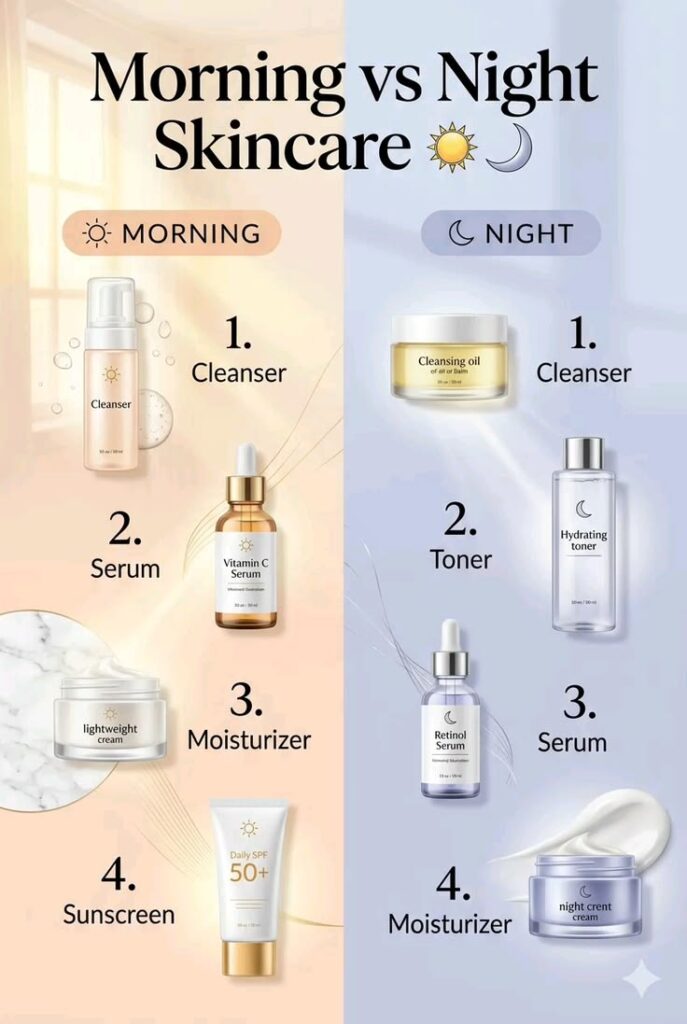
Morning vs Night Skincare Routine: What’s the Difference and Why Does It Matter?
Morning vs Night Skincare Routine: What’s the Difference and Why Does It Matter? Why Morning and Night Skincare Routines Are Different During the day, your skin is exposed to environmental stressors such as UV rays, pollution, dirt, and free radicals. The goal of a morning skincare routine is to protect and prepare your skin for these challenges. At night, your skin enters repair mode. While you sleep, skin cells regenerate and recover from daily damage. A nighttime routine focuses on cleansing, repairing, and nourishing the skin. By following both routines consistently, you can help keep your skin balanced, hydrated, and healthy. Morning Skincare Routine Step 1: Cleanser Start your day with a gentle cleanser to remove excess oil, sweat, and impurities that may have accumulated overnight. Choose: Gel cleansers for oily skin Cream cleansers for dry skin Gentle cleansers for sensitive skin Step 2: Hydrating Toner (Optional) A toner can help refresh the skin and prepare it for the next steps. Look for hydrating ingredients like hyaluronic acid, glycerin, or rose water. Step 3: Vitamin C Serum Vitamin C is one of the best morning skincare ingredients. It helps brighten the skin, reduce the appearance of dark spots, and protect against environmental damage caused by free radicals. Benefits of Vitamin C: Promotes a radiant complexion Helps improve uneven skin tone Supports collagen production Provides antioxidant protection Step 4: Moisturizer Moisturizing is important for every skin type. A good moisturizer helps lock in hydration and strengthens the skin barrier. Step 5: Sunscreen Sunscreen is the most important step in your morning routine. Use a broad-spectrum sunscreen with SPF 30 or higher every day, even when it’s cloudy or when you’re indoors near windows. Benefits of sunscreen: Prevents premature aging Reduces sun damage Helps prevent pigmentation Protects against harmful UV rays Night Skincare Routine Step 1: Remove Makeup and Sunscreen If you wear makeup or sunscreen, start with a cleansing balm, micellar water, or oil cleanser to break down product buildup Step 2: Cleanser Follow up with a gentle cleanser to remove dirt, oil, and impurities accumulated throughout the day. This method, often called double cleansing, helps ensure your skin is thoroughly clean. Step 2: Cleanser Follow up with a gentle cleanser to remove dirt, oil, and impurities accumulated throughout the day. This method, often called double cleansing, helps ensure your skin is thoroughly clean. Step 3: Treatment Serum Nighttime is the ideal time to use active ingredients because your skin focuses on repair while you sleep. Depending on your skin concerns, consider: Niacinamide for oil control and pore appearance Hyaluronic Acid for hydration Retinol for fine lines and skin renewal Salicylic Acid for acne-prone skin Alpha Arbutin for pigmentation Step 4: Moisturizer A nourishing moisturizer helps replenish moisture and supports the skin’s overnight repair process. For dry skin, look for ingredients such as ceramides, squalane, and shea butter. Step 5: Eye Cream (Optional) If you experience puffiness, dryness, or dark circles, an eye cream can provide additional hydration and care for the delicate under-eye area. Morning vs Night Skincare Routine: Morning Routine Night Routine focuses on protection Focuses on repair and recoveryIncludes Vitamin C and sunscreen Includes treatment serums and repair ingredientsPrepares skin for environmental exposure Helps skin recover from daily stressLightweight products preferred Richer and more nourishing products can be usedTips for Better Skincare Results1. Be consistent with your routine.2. Introduce new products gradually.3. Always wear sunscreen during the day.4. Avoid over-exfoliating your skin.5. Stay hydrated and maintain a healthy lifestyle.6.Patch test new skincare products before full use.7. Choose products suitable for your skin type. Which Routine Is More Important? Both routines play important roles, but if you can only follow one step consistently, make it sunscreen during the day and cleansing before bed. The best skincare results come from combining protection during the day with repair and hydration at night. Frequently Asked Questions (FAQs) 1. Can I use the same skincare products in the morning and at night? Some products, such as cleansers and moisturizers, can be used both morning and night. However, ingredients like Vitamin C are typically used during the day, while retinol is best used at night. 2. Is sunscreen necessary if I stay indoors? Yes. UV rays can penetrate windows, and daily sunscreen use helps protect your skin from long-term damage. 3. Should I wash my face twice a day? Yes. Cleansing in the morning and before bed helps remove dirt, oil, and impurities while keeping your skin fresh and healthy. 4. Can I use Vitamin C and Retinol together? It is generally recommended to use Vitamin C in the morning and Retinol at night to maximize their benefits and minimize potential irritation. 5. How long does it take to see skincare results? Most skincare products require consistent use for 4–12 weeks before noticeable improvements appear. 6. What is the ideal skincare routine for beginners? A simple routine includes a cleanser, moisturizer, and sunscreen in the morning, along with a cleanser and moisturizer at night. 7. Do I need a separate night cream? Not necessarily. However, some people prefer richer night creams that provide additional hydration and support overnight skin repair.