
Taking care of your skin doesn’t always require a shelf full of expensive products. Many natural ingredients found in your kitchen can complement a healthy skincare routine by helping cleanse, hydrate, and soothe the skin. While homemade skincare isn’t a replacement for scientifically formulated skincare products, it can be a gentle addition to your routine when used correctly.
The key to a successful homemade skincare routine is choosing ingredients that suit your skin type, keeping your routine simple, and always doing a patch test before trying anything new. Let’s explore an easy homemade skincare routine that can help your skin look fresh, healthy, and naturally radiant.
Step 1: Start with a Gentle Cleanse
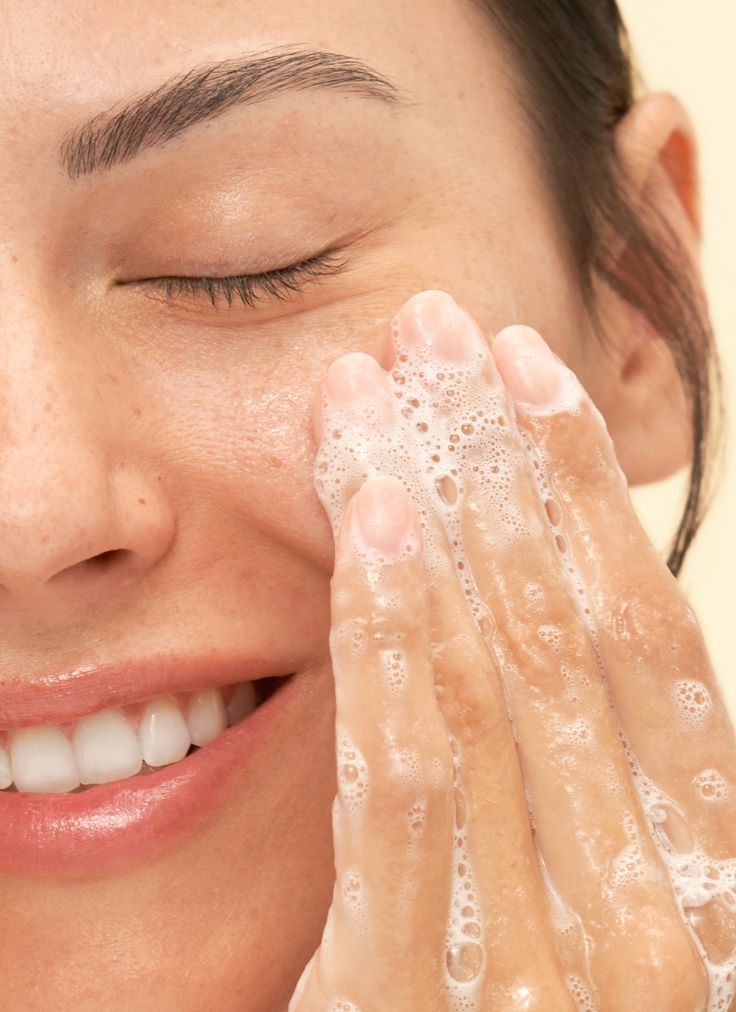
Every skincare routine begins with cleansing. Your skin collects oil, dirt, sweat, and environmental pollutants throughout the day, so it’s important to wash your face using a gentle cleanser that matches your skin type.
While some people prefer homemade cleansers, a mild facial cleanser is usually the safest option for daily use. After cleansing, gently pat your face dry with a soft towel instead of rubbing your skin.
Clean skin allows the next steps in your routine to work more effectively
Step 2: Refresh Your Skin with Rose Water
Rose water is a popular natural skincare ingredient known for its refreshing feel. It can help leave the skin feeling fresh and hydrated after cleansing.
Simply spray a small amount of pure rose water onto your face or apply it with a cotton pad. Allow it to absorb naturally before moving on to the next step.
Rose water is suitable for most skin types and works well as part of both morning and evening skincare routines
Step 3: Use Aloe Vera Gel for Hydration
Aloe vera has long been used in skincare because of its soothing and hydrating properties. It is especially popular for calming skin after sun exposure or when the skin feels dry.
Apply a thin layer of fresh aloe vera gel or a high-quality pure aloe vera gel to clean skin. Leave it on for 10–15 minutes or use a small amount as a lightweight moisturizer if it suits your skin.
Always use clean aloe vera gel and discontinue use if irritation occurs.
Step 4: Apply a Honey Face Mask (1–2 Times a Week)
Honey is a natural humectant, meaning it helps attract and retain moisture on the skin. It can leave the skin feeling soft and smooth.
Take one teaspoon of pure honey and spread a thin layer over clean skin. Leave it on for about 10–15 minutes before rinsing with lukewarm water.
Since honey is rich and sticky, using it once or twice a week is usually enough as part of a homemade skincare routine.

Step 5: Gently Exfoliate Once a Week
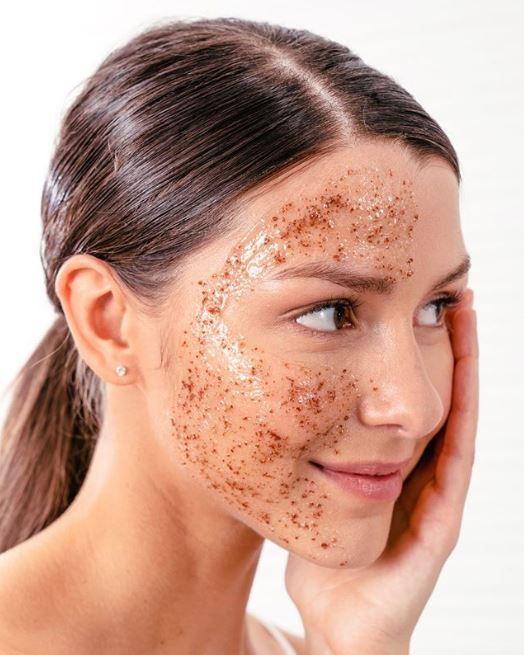
Exfoliation helps remove dead skin cells and can leave your skin looking brighter.
Instead of harsh scrubs, choose gentle options like finely ground oatmeal mixed with a little yogurt or water to create a soft paste. Massage it onto your skin using light circular motions for about one minute before rinsing.
Avoid exfoliating more than once or twice a week, as over-exfoliation can damage the skin barrier.
Step 6: Moisturize Your Skin
Hydration is essential for every skin type. After using homemade ingredients, always finish your routine with a moisturizer suitable for your skin.
A good moisturizer helps lock in hydration and supports your skin’s natural barrier.
Even oily skin benefits from daily moisturizing.
Step 7: Never Forget Sunscreen
If you’re following your homemade skincare routine in the morning, sunscreen is the final and most important step.
Choose a broad-spectrum sunscreen with SPF 30 or higher and apply it generously before going outdoors.
Natural ingredients alone cannot protect your skin from harmful UV rays, so sunscreen should always be part of your daily routine.
Ingredients to Use Carefully
Although natural ingredients are popular, not every kitchen ingredient is suitable for facial skincare.
It’s generally best to avoid applying the following directly to your face:
- Lemon juice
- Toothpaste
- Baking soda
- Undiluted apple cider vinegar
- Excessively coarse sugar or salt scrubs
These ingredients may cause irritation or disrupt the skin’s natural protective barrier, especially for sensitive skin.
Healthy Habits for Naturally Beautiful Skin
Homemade skincare works best when paired with healthy daily habits.
Remember to:
- Drink plenty of water throughout the day.
- Eat a balanced diet rich in fruits and vegetables.
- Get enough sleep each night.
- Exercise regularly.
- Manage stress whenever possible.
- Wash pillowcases and towels regularly.
- Avoid touching your face with unclean hands.
Healthy skin reflects consistent care both inside and out.
Weekly Homemade Face Masks
You can add one of these simple homemade masks to your routine once a week.
Oatmeal and Honey Mask
Mix one tablespoon of finely ground oatmeal with one teaspoon of honey to create a smooth paste. Apply it for 10 minutes before rinsing.
This mask can leave the skin feeling soft and comfortable.
Yogurt and Oatmeal Mask
Combine plain yogurt with a small amount of oatmeal to create a gentle face mask. Apply for 10–15 minutes and rinse with cool water.
This mask offers light exfoliation while leaving the skin feeling refreshed.
Cucumber Mask
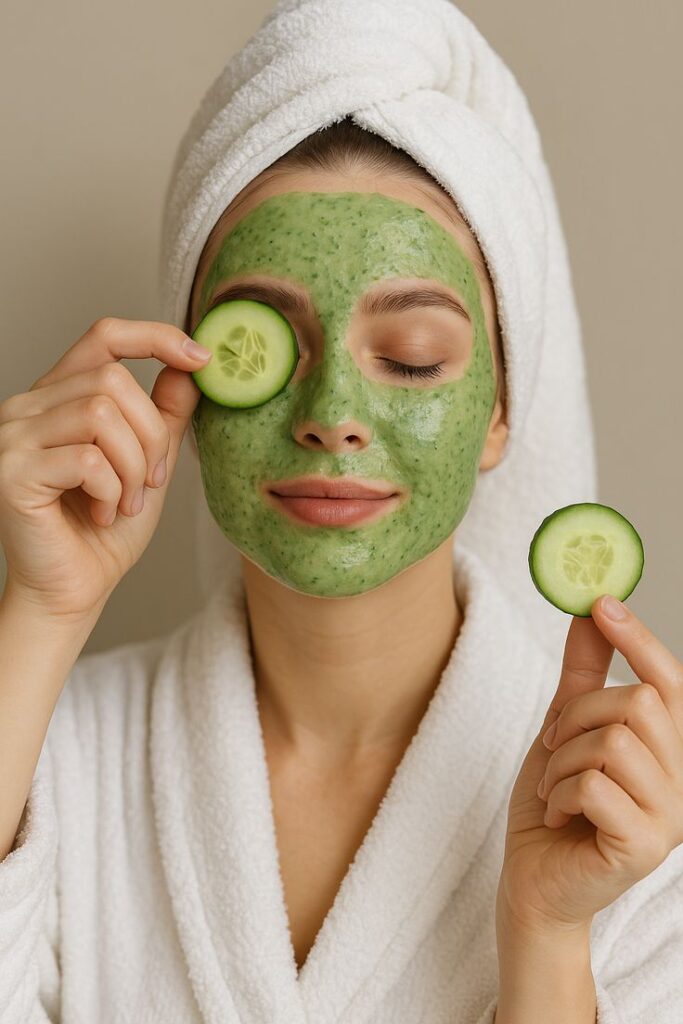
Blend fresh cucumber into a smooth paste and apply it to your face for about 15 minutes.
Cucumber provides a cool, refreshing feeling that many people enjoy, especially during warm weather.
Frequently Asked Questions (FAQs)
1. Is a homemade skincare routine suitable for all skin types?
Yes, but it’s important to choose ingredients based on your skin type. Always perform a patch test before applying any homemade remedy to your face, especially if you have sensitive skin.
2. How often should I follow a homemade skincare routine?
A basic routine like cleansing, moisturizing, and sunscreen can be followed daily. Homemade face masks or gentle exfoliation are usually enough once or twice a week.
3. Can homemade skincare replace commercial skincare products?
Homemade skincare can complement your routine, but it shouldn’t completely replace dermatologist-tested skincare products, especially essentials like cleanser, moisturizer, and sunscreen.
4. Which homemade ingredients are best for glowing skin?
Popular ingredients include aloe vera, honey, oatmeal, cucumber, rose water, and plain yogurt. These ingredients can help keep the skin feeling hydrated and refreshed when used appropriately.
5. Is it safe to apply lemon directly to the face?
It’s generally not recommended. Lemon juice is highly acidic and may cause irritation, dryness, or increased sensitivity to sunlight, particularly on sensitive skin.
6. How long should I leave a homemade face mask on?
Most homemade face masks can be left on for 10–15 minutes. Rinse them off with lukewarm water and follow with a moisturizer.
7. Do I still need sunscreen if I use homemade skincare?
Yes. Homemade ingredients do not provide adequate protection from UV rays. Applying a broad-spectrum sunscreen with SPF 30 or higher every day is essential.

Final Thoughts
A homemade skincare routine can be a relaxing and enjoyable way to care for your skin using simple, natural ingredients. Ingredients like aloe vera, honey, oatmeal, cucumber, and rose water can complement a balanced skincare routine when used thoughtfully and in moderation.
However, healthy skin is built on consistency rather than quick fixes. Cleansing, moisturizing, and applying sunscreen every day remain the foundation of good skincare. Homemade remedies can be a helpful addition, but they work best alongside a well-rounded skincare routine and healthy lifestyle.
With the right approach and realistic expectations, you can create a homemade skincare routine that leaves your skin feeling fresh, nourished, and naturally radiant every day.